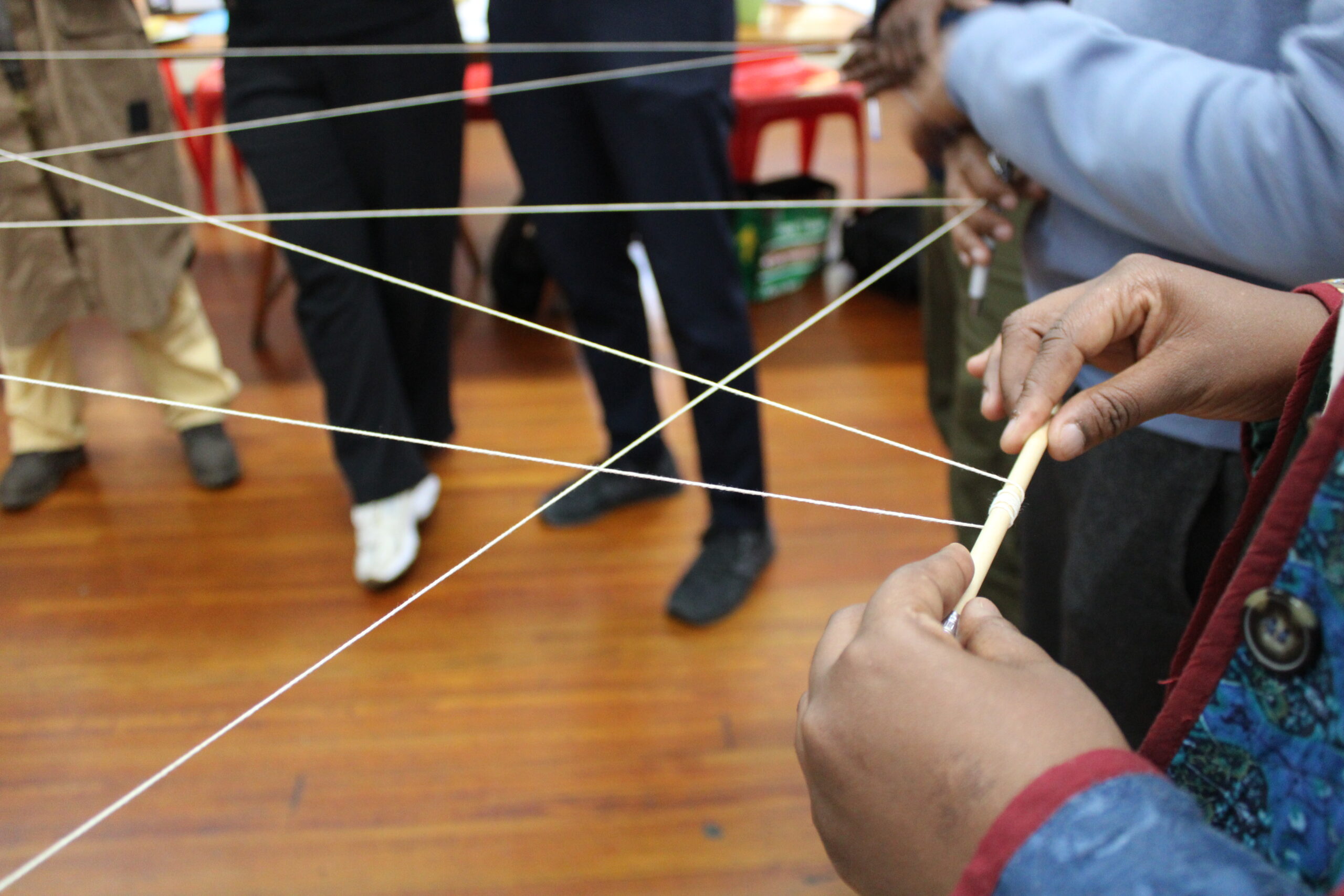
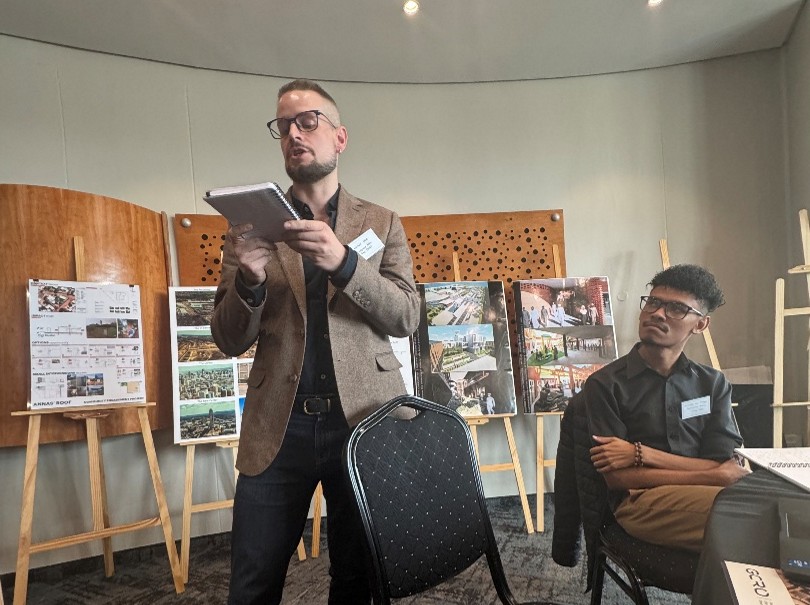
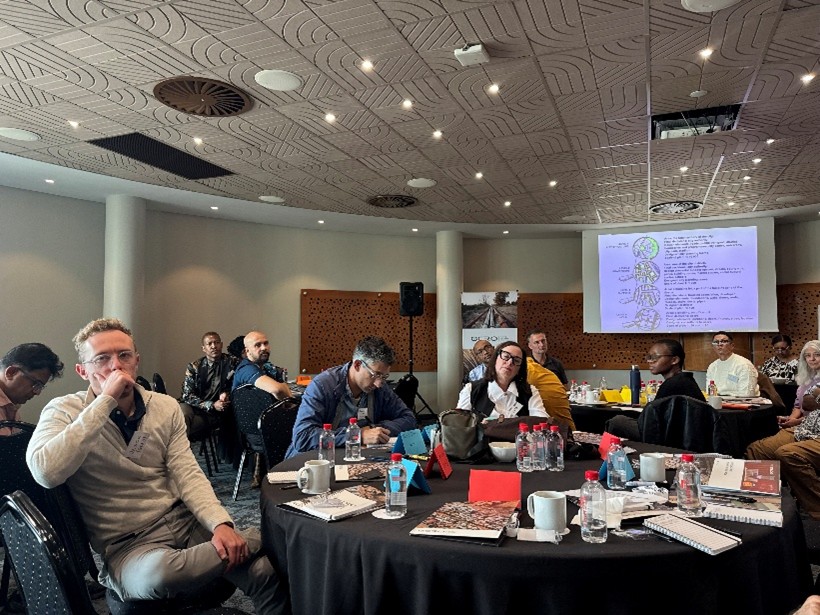
On the 8th of April, The DAG Urban Land for Inclusive Cities team had the privilege of attending a workshop hosted by the Gauteng City-Region Observatory (GCRO) and Tshwane University of Technology (TUT) on Spatial Transformation in South Africa, and the need for a provocation bold enough to drive real change.
With a range of stakeholders in the room including government, the private sector and civil society, the dialogue was rich, engaging, insightful and, in some instances, rather provocative (that is provocative by design). A lot was discussed, plenty of which intersects with DAG’s work, not just the Land Value Capture work, but across multiple DAG programmes which all seek to achieve spatial and socioeconomic transformation.
Below are 6 key takeaways from the discussion that had us thinking and rethinking the way we envision and influence spatial transformation in South Africa.
1. Spatial transformation is constantly taking place.
Cities and the entire environment around us are constantly changing, constantly experiencing spatial and socioeconomic change. However, most practitioners may perceive this differently because said change may not align with their preconceived ideals of transformation and secondly that change may not be taking place at a fast enough rate.
2. Radical spatial transformation is not just technical; it is equally political.
Apartheid used spatial policy as a deliberate tool of control. To undo this spatial injustice requires the same political will and imagination from the ‘new’ democratic government. At the risk of contradicting the point 1 above, a major frustration among experts and communities is that over thirty years into South Africa’s democracy, the apartheid spatial patterns remain largely unchanged, some even argue they have in fact been reinforced. The disconnect between appointed technocrats and elected politicians within government has significantly thwarted spatial transformation. Political will is an imperative.
3. Design and experimentation with pilots ought to be brought to the fore.
Policy making and spatial transformation conversations are taking place without spatial and visual thinking at the table. Architects and urban designers need a seat; drawings and visual representations need to be proposed and interrogated. And more importantly, pilot projects should be undertaken to prove the concepts outlined in policy and plans.
4. Comprehensive spatial transformation ought to be inclusive of migrant populations and informality.
The right to the city is one shared by all inhabitants of the city, even the migrants and informal settlement dwellers[MJ2.1]. The current disregard for migrant communities and informal settlements means some pockets of poverty are ignored and these pockets keep growing, thus we remain locked in the same spatial and socioeconomic deadlocks we claim to seek to resolve. Withholding investment from the communities that need it most is “official vandalism”.
5. A 'sharing paradigm' offers the best path forward.
Beyond the easy way out of lumping all responsibility on the state, or turning a blind eye to allow the market to determine outcomes, there is a model rooted in shared public space, shared responsibility, active participation and collective decision-making. However, the sharing paradigm needs to be cautious of the power imbalance at play to ensure genuine mutual benefit. Land value capture (or land value sharing) can be used as one of the key mechanisms to ensure equitable and inclusive spatial transformation by way of obtaining revenue from public investments and reinvesting that revenue into underdeveloped communities.
6. Democracy is both the beauty and burden of spatial transformation
Again, at the risk of contradicting point 5 above, the conversation raised questions on whether democratic process, in some cases, arrests progress (perhaps unconsciously treading on Plato’s and Socrates’ critique of democracy). Countries like China, Qatar and Singapore with their authoritarian regimes have been able to fast track development and spatial transformation, albeit at the cost of quieting down objections and divergent voices. South Africa’s democracy, by contrast, demands negotiation, participation and consent, and all these are processes that are slow, messy, and sometimes are deliberately obstructed by those who benefit from inaction.
In a nutshell, the provocation is that the problem has been articulated and debated enough. Now we need put out bold, visual and spatial solutions into the public domain.